Latest Trends in Workforce Planning Insights
In today’s fast-changing business environment, understanding workforce dynamics is more crucial than ever. We often ask ourselves: how can we better prepare for the future? How do we ensure the right people are in the right roles at the right time? These questions lead us to explore the latest trends in workforce planning insights. This field is evolving rapidly, and staying updated can make a significant difference for any organisation or job seeker.
Workforce planning is no longer just about numbers. It’s about strategy, technology, and human potential. Let’s dive into some of the most important trends shaping this landscape and see how they can help us all move forward confidently.
Embracing Data-Driven Workforce Planning Insights
One of the most exciting developments is the rise of data-driven decision-making. We now have access to vast amounts of data about employee performance, skills, and engagement. But how do we turn this data into actionable insights?
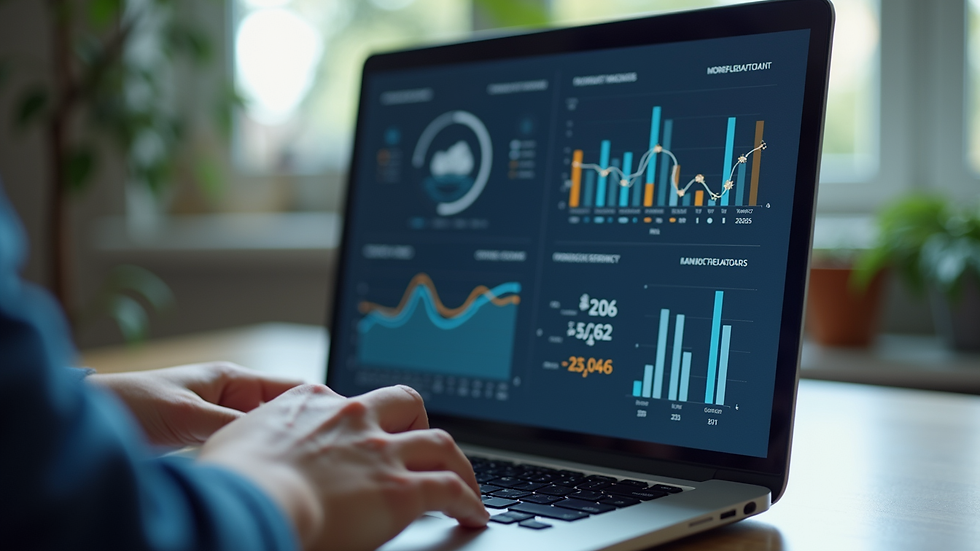
By using advanced analytics and AI tools, companies can predict future workforce needs more accurately. For example, predictive analytics can identify potential skill gaps before they become critical. This allows organisations to plan training or hiring proactively rather than reactively.
Imagine a company noticing a trend where digital marketing skills are becoming scarce. With data insights, they can start upskilling their current employees or recruit specialists early. This approach reduces downtime and keeps the business agile.
Practical tip: Start small by collecting relevant workforce data and experimenting with simple analytics tools. Over time, build a culture that values data in every workforce decision.

How Technology is Revolutionising Workforce Planning Insights
Technology is a game-changer in workforce planning. Beyond data analytics, we see the integration of cloud platforms, AI, and automation tools that streamline the entire process.
Cloud-based workforce management systems allow real-time collaboration across departments and locations. This means HR teams, managers, and executives can access the same up-to-date information anytime, anywhere. It breaks down silos and speeds up decision-making.
Artificial intelligence also plays a vital role. AI-powered chatbots can handle routine queries from employees, freeing HR professionals to focus on strategic tasks. Machine learning algorithms can recommend personalised career paths based on employee skills and aspirations.
Automation reduces manual errors and saves time in scheduling, payroll, and compliance. This efficiency lets organisations focus on what really matters - developing talent and aligning workforce strategies with business goals.
Practical tip: Evaluate your current technology stack and identify gaps where automation or AI could add value. Start with pilot projects to measure impact before scaling.
What are the 7 R's of workforce planning?
Understanding the 7 R's is fundamental to effective workforce planning. These principles help us ask the right questions and make informed decisions:
Right Number - How many people do we need?
Right Skills - What skills are required?
Right Time - When do we need them?
Right Place - Where should they be located?
Right Cost - What is the budget for this workforce?
Right Source - Should we hire, train, or outsource?
Right Type - What employment type fits best (full-time, part-time, contract)?
By systematically addressing these points, organisations can create a workforce that is both efficient and adaptable. For example, if a company needs software developers quickly, they might consider contractors or freelancers (right source and type) rather than waiting for full-time hires.
Practical tip: Use the 7 R's as a checklist during your workforce planning meetings to ensure no critical aspect is overlooked.
The Growing Importance of Employee Experience in Workforce Planning Insights
We often focus on numbers and skills, but what about the people behind those numbers? Employee experience is becoming a key factor in workforce planning.
Happy, engaged employees are more productive and less likely to leave. So, how can workforce planning support a positive employee experience?
Flexible working arrangements, career development opportunities, and inclusive cultures are now essential. Workforce planning must consider these elements to attract and retain talent.
For instance, offering remote work options can widen the talent pool geographically. Planning for continuous learning helps employees grow alongside the company’s needs.
Practical tip: Regularly gather employee feedback and incorporate it into your workforce strategies. This ensures plans are aligned with real needs and expectations.
Sustainability and Diversity as Workforce Planning Priorities
Sustainability and diversity are no longer just buzzwords. They are integral to modern workforce planning insights.
Sustainable workforce planning means thinking long-term about resource use, employee well-being, and social responsibility. It’s about creating a resilient workforce that can thrive amid change.
Diversity and inclusion bring fresh perspectives and innovation. Planning for a diverse workforce involves removing biases in recruitment and promoting equal opportunities.
For example, companies might set targets for gender balance or cultural diversity in leadership roles. They may also invest in training to foster inclusive behaviours.
Practical tip: Review your workforce data to identify diversity gaps and develop targeted initiatives. Align these with your company’s sustainability goals for a holistic approach.
Moving Forward with Workforce Planning Insights
As we reflect on these trends, it’s clear that workforce planning is becoming more strategic, technology-driven, and people-centred. Whether you are managing a team or seeking new opportunities, understanding these shifts can empower you to make better decisions.
Remember, workforce planning is not a one-time task but an ongoing process. It requires collaboration, continuous learning, and adaptability.
By embracing data, technology, employee experience, and sustainability, we can build workforces that are ready for the challenges ahead.
If you want to explore more about workforce analysis and planning, consider how these insights fit your unique context. The future belongs to those who plan wisely today.

Let’s keep the conversation going and continue to learn from each other. Together, we can create workplaces that not only succeed but also inspire.